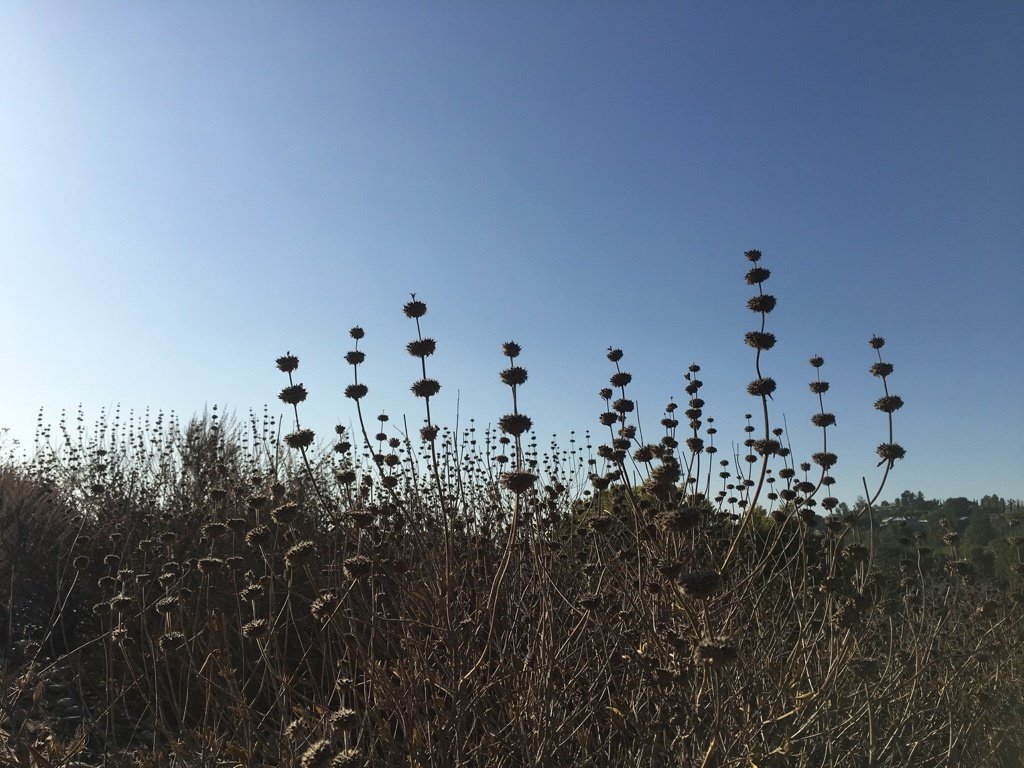
Discover how Black Sage supports Southern California’s coastal sage scrub habitats through drought‑tolerant traits, vital pollinator resources and ongoing restoration efforts that keep this native species thriving for generations. 🌿💙 #BlackSage #NativePlants
Plant Profile: California Fuchsia

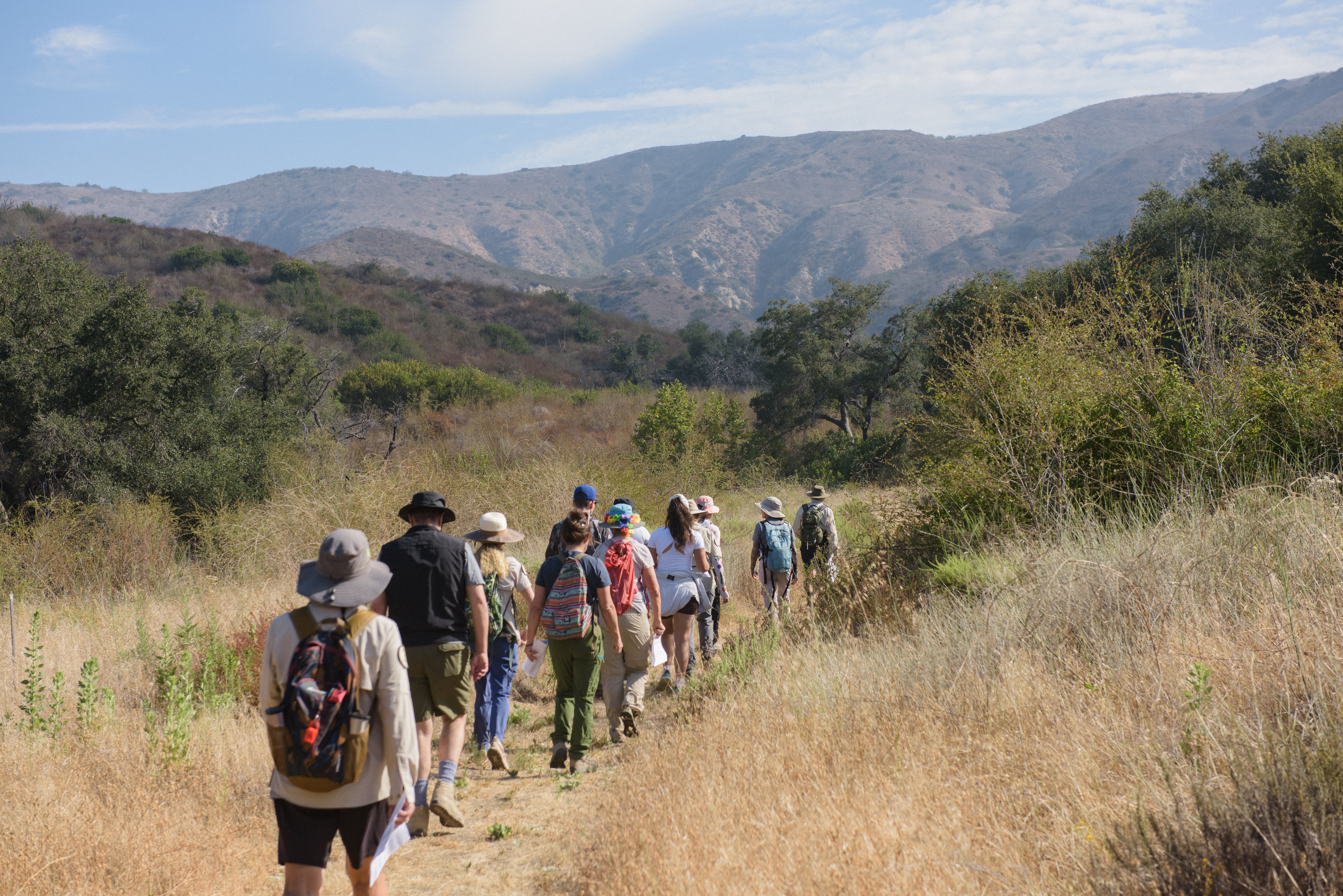
In Southern California, July typically brings hot, sunny weather and dry, brown landscapes. However, amid this sun-baked scenery, there is one bright scarlet color that can be found at the Irvine Ranch Natural Landmarks, thriving during the season.
Standing out in the summer environment, the California Fuchsia (Epilobium canum) is a unique plant species. Unlike many of the state’s native wildflowers that bloom in spring and die away in the summer, this resilient plant thrives during the hottest months, often being the only flowering native plant in its surroundings. Blooming from July to October, it is a perennial that tends to go dormant in the winter.
The California fuchsia can easily be spotted with trumpet-shaped and bright scarlet flowers and grey-green foliage. Ranging considerably in size, the plant can grow anywhere from one to three feet tall and spreads from the base. This species is typically found in the foothills and coastal areas of western and southwestern states, particularly in drier regions.
 California Fuchsia taken by Keir Morse, 2015, courtesy of CalPhotos.
Not only is the California fuchsia beautiful, but it also serves as a vital food source for hummingbirds, making it an important plant species in California. While most other nectar sources become scarce in the summer, this plant’s late-season blooms provide a consistent nectar supply through the hot dry summers. The species commonly has over 250 blooms at one time, attracting numerous pollinators.
This native plant species is also important in California because of its exceptional drought tolerance and ability to withstand sun, heat, and wind. The California fuchsia thrives on dry, sunny slopes, making it an excellent choice for fire-resistant landscaping and erosion control projects. Organizations like the Irvine Ranch Conservancy often utilize this resilient plant in habitat enhancement and restoration projects.
Related Posts