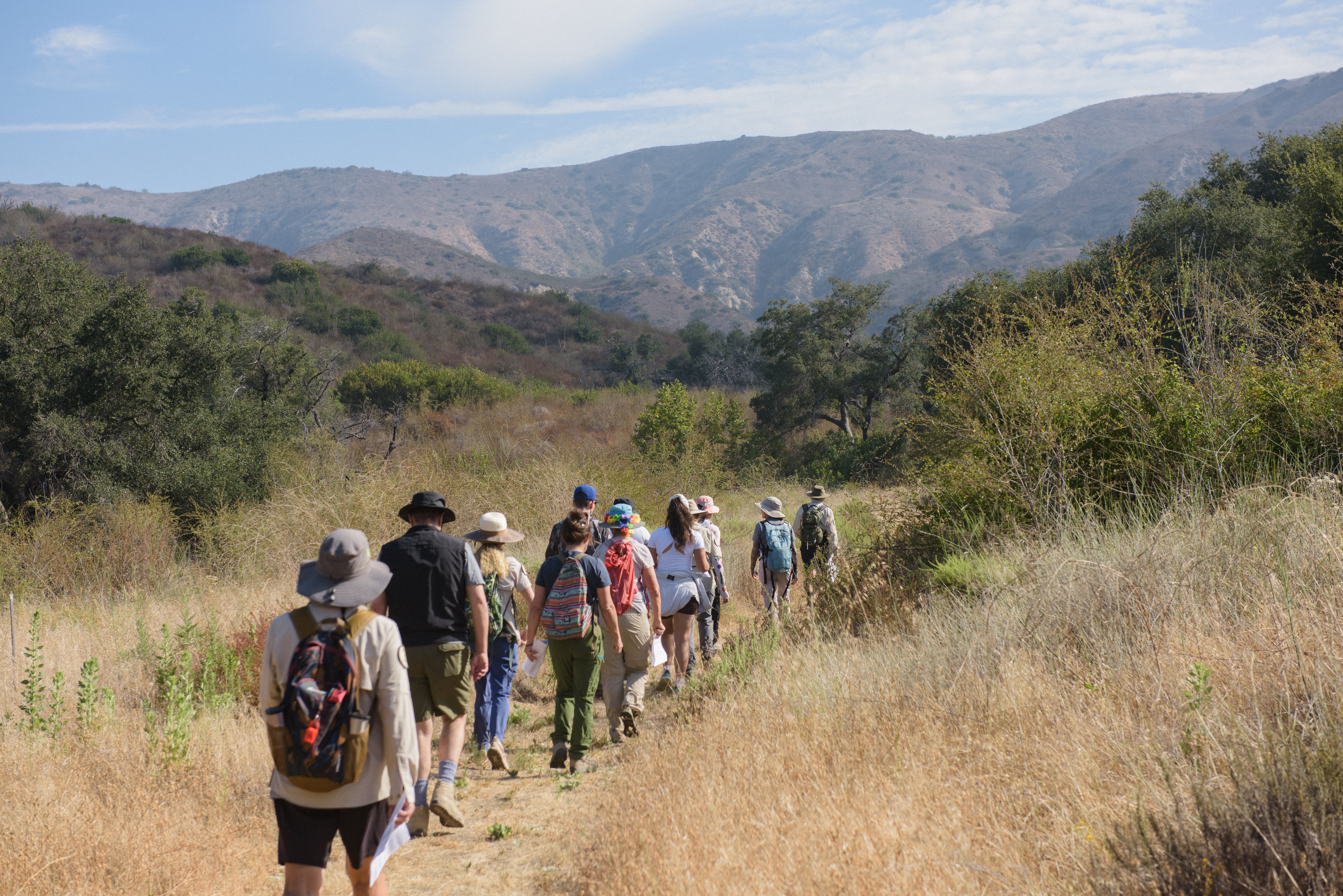
Estivation shows how Southern California wildlife and native plants survive summer heat through clever dormancy strategies that help ecosystems rest, adapt and thrive 🐸☀️ #Estivation #OCWildlands
Native Plant Profile: Black Sage
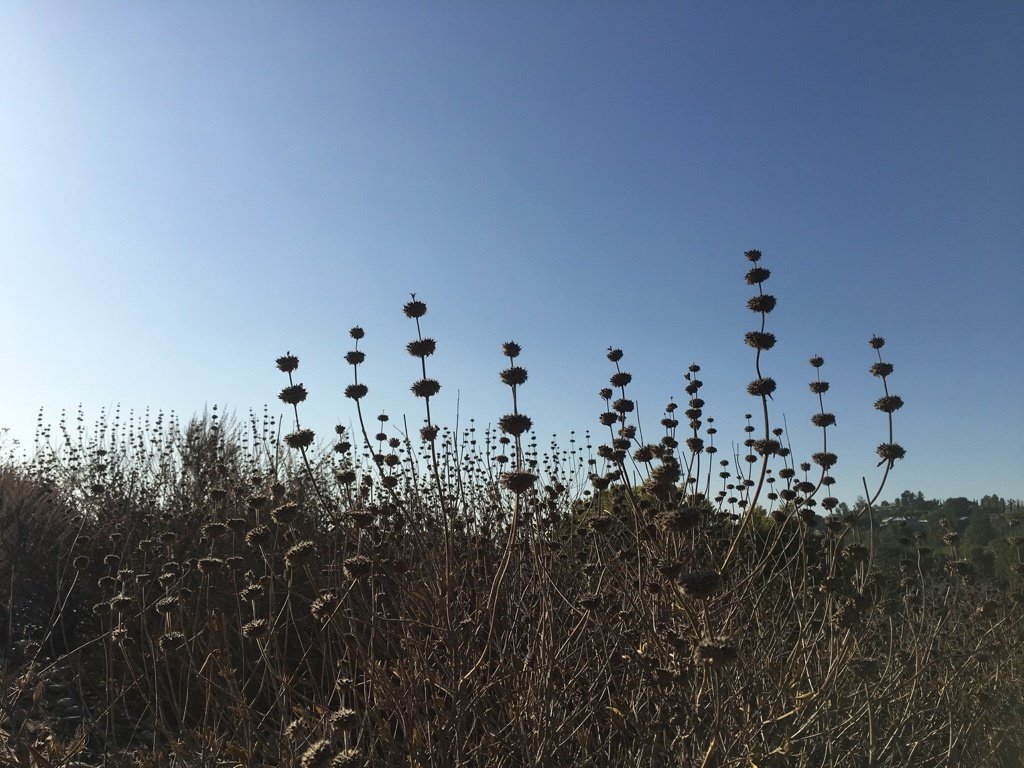 Black Sage, photo credit @salvmell on iNaturalist
Black Sage (Salvia mellifera) is one of the most common and resilient shrubs across Southern California’s coastal sage scrub habitats. Its soft gray‑green leaves make it easy to spot year‑round, and from late winter through spring, the plant becomes even more noticeable as clusters of pale blue‑lavender flowers emerge with the seasonal blooms. If you have spent any time exploring the local wildlands, you have almost certainly walked past this plant, often without realizing just how much it contributes to the landscape.
Built for California’s dry, Mediterranean climate, Black Sage has evolved several traits that allow it to thrive with very little water. Its small, textured leaves help reduce moisture loss, while deep roots tap into underground water reserves during long summer droughts. The leaves also produce aromatic oils that offer protection from heat, wind and other harsh conditions, in addition to deterring herbivores. These adaptations make Black Sage one of the most dependable and widespread members of the native shrub community.
When in bloom, Black Sage becomes a seasonal hub of activity for native pollinators. Bees, hummingbirds and butterflies flock to its nectar-rich flowers, with several native bee species relying on it as a key resource in the spring. Beyond its blooms, the plant’s dense branching structure provides shelter for birds, insects and small wildlife throughout the year, reinforcing its role as a cornerstone species within coastal sage scrub.
 Black Sage (Salvia mellifera) found at City of Irvine’s Bommer Canyon Preserve.
In addition to animals, people have historically benefited from this plant too. For thousands of years, Indigenous communities across California have used Black Sage in traditional practices, from teas and poultices to ceremonial applications. While we don’t utilize it as much today, it still remains essential to healthy ecosystems that directly impact people, supporting biodiversity and stabilizing habitat in areas increasingly pressured by development and climate change.
Because Black Sage is such a vital plant in our local wildlands, Irvine Ranch Conservancy (IRC) grows the plant at the Native Seed Farm for restoration projects across the Irvine Ranch Natural Landmarks. Volunteers collect seeds, nurture young plants and prepare them for planting, ensuring this iconic California native continues to thrive across the region. Together, these efforts help protect a species that quietly supports countless others and keeps our wildlands resilient for generations to come.
Next time you are out on the land, take a second to pause and appreciate this native species!
Related Posts