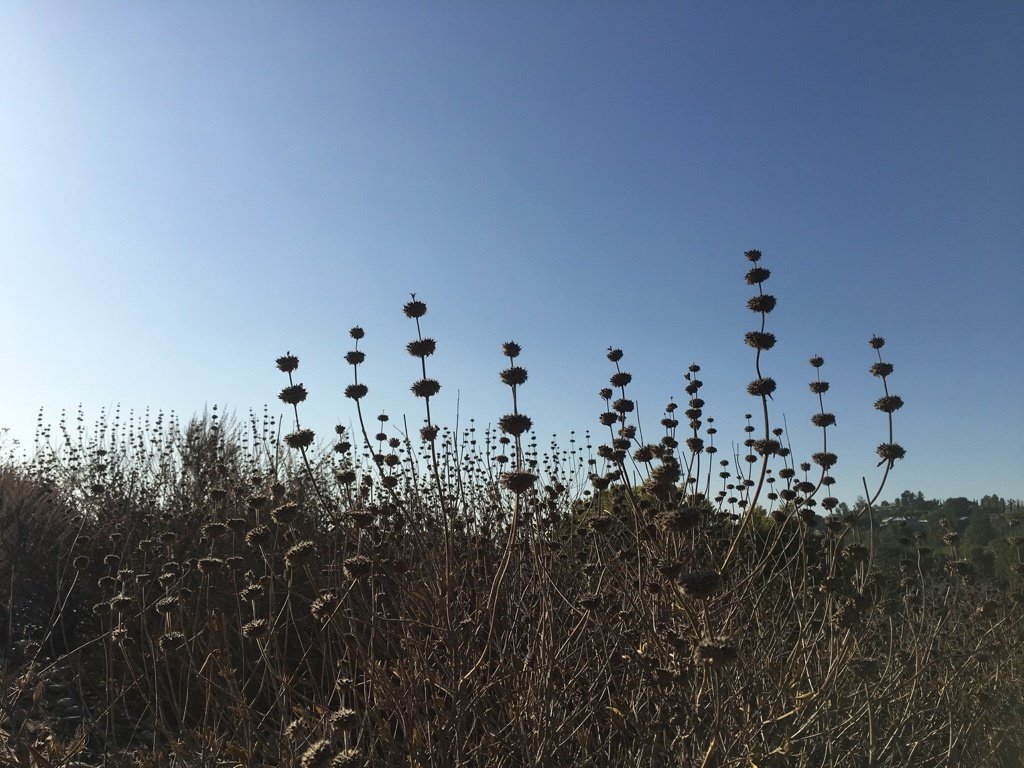
Discover how Black Sage supports Southern California’s coastal sage scrub habitats through drought‑tolerant traits, vital pollinator resources and ongoing restoration efforts that keep this native species thriving for generations. 🌿💙 #BlackSage #NativePlants
Celebrating the Mighty Oaks Found in Orange County

The phrase “mighty oak” refers to the iconic oak tree, an enduring symbol of strength and resilience. With more than 60 species native to the United States, the oak is recognized as a crucial keystone species. In 2004, it was officially designated America’s National Tree, a testament to its cultural and ecological importance.
In Orange County, native oak trees are a significant part of the natural landscape. The Coast Live Oak (Quercus agrifolia) is the most common native species, easily recognized by its dense, dark-green foliage. The rarer Engelmann Oak (Quercus engelmannii), with its broad, spreading limbs and gray-green leaves, thrives in higher, cooler elevations but can still be found in select areas of the county. These trees grow in local parks and open spaces such as OC Parks’ Carbon Canyon Regional Park, OC Parks’ O’Neill Regional Park and OC Parks’ Santiago Oaks Regional Park, as well as across the Irvine Ranch Natural Landmarks.
Oaks are more than just towering giants. As keystone species, they are vital to ecosystem functionality, providing food and shelter for hundreds of organisms. Mammals, birds, insects, fungi and countless other organisms depend on them for survival. On the contrary, the mighty oak itself relies on other species to ensure its success. Seed dispersal is critical to its survival, allowing acorns to spread out and grow in favorable conditions away from the parent tree. This reduces competition for sunlight and water, minimizes the risk of disease and predation and helps expand the oak’s range, supporting its long-term survival.
In Orange County, two unlikely heroes play a vital role in this process: the California scrub jay (Aphelocoma californica) and the California ground squirrel (Otospermophilus beecheyi). Both are known as “scatter-hoarders,” burying acorns in caches to save for later. Many of these acorns are forgotten, leaving them to germinate and sprout into seedlings in new locations. Their burying behavior makes them dispersal superstars, as it is crucial because acorns are too heavy for wind dispersal, the most common method. Other birds and rodents, including woodpeckers, mice and voles, also contribute by caching or transporting seeds, sometimes even carrying them on their bodies or through their digestive systems.
Despite their resilience, native oaks face serious threats. Invasive insects such as the goldspotted oak borer (GSOB) have killed thousands of trees in Southern California, while ongoing development continues to reduce native oak woodland habitats. To combat these challenges, Irvine Ranch Conservancy (IRC) has partnered with organizations to remove the threat of GSOB and restore dwindling oak populations through habitat restoration. Community members can join stewardship opportunities through letsgooutside.org, like the upcoming Baker Meadow Stewardship, where you can help plant coast live oak seedlings.
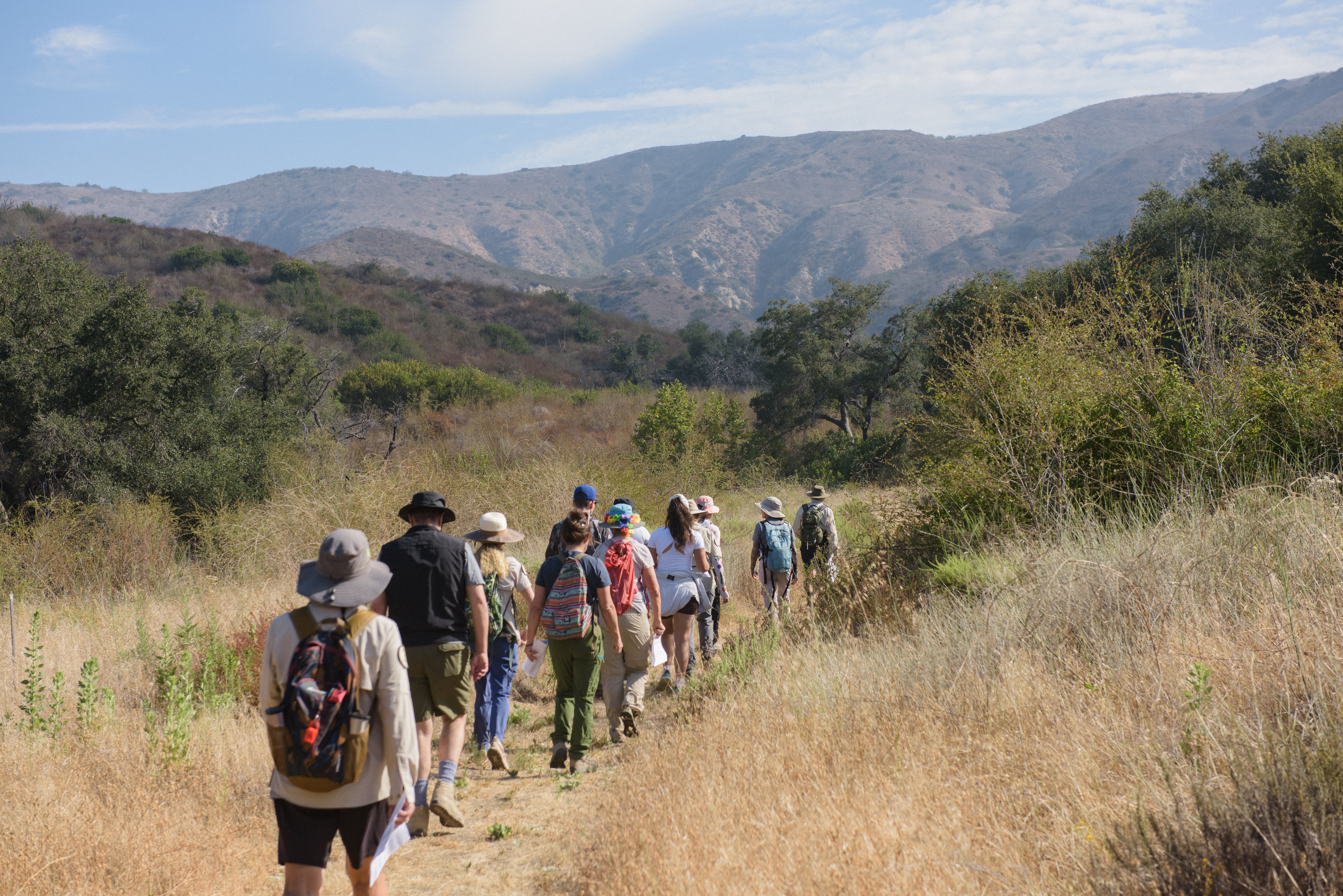
Those seeking a deeper connection can participate in nature journaling at OC Parks’ Gypsum Canyon Wilderness, where you can get close and appreciate coast live oaks for the abundance of life they support.
- November 24 – Nature Journaling: The Mighty Oak
The next time you walk past a mighty oak, take a moment to appreciate all it does for our ecosystems. Remember the phrase, “mighty oaks from little acorns grow,” a reminder that great things often begin with small, humble beginnings.
Related Posts