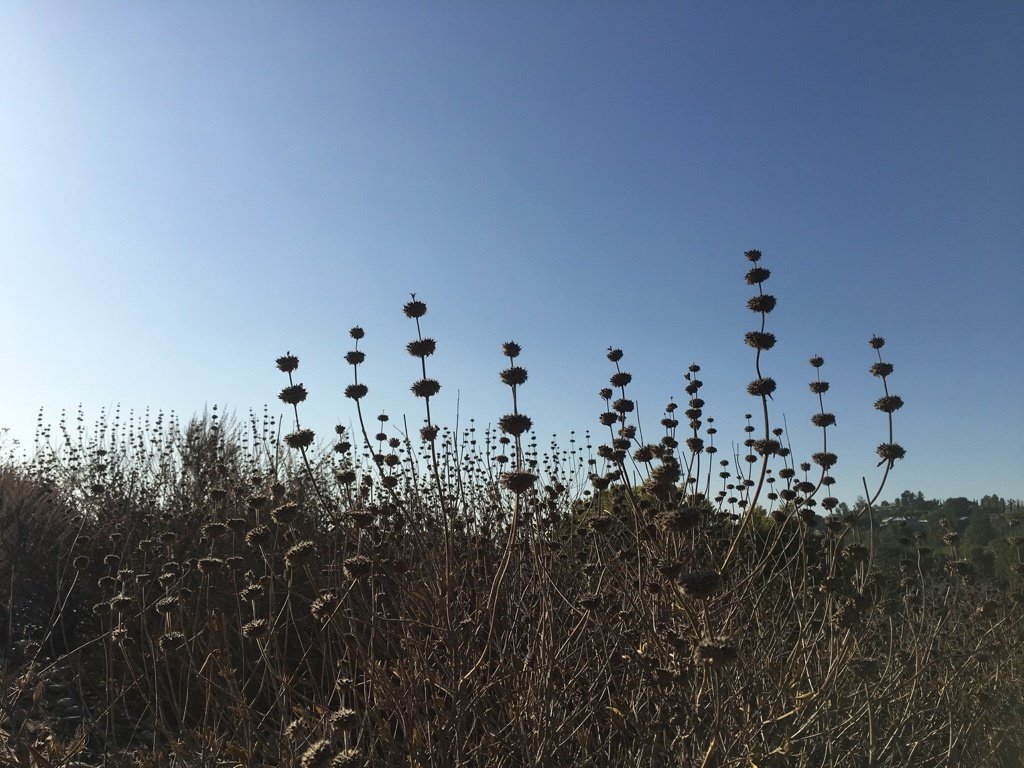
Discover how Black Sage supports Southern California’s coastal sage scrub habitats through drought‑tolerant traits, vital pollinator resources and ongoing restoration efforts that keep this native species thriving for generations. 🌿💙 #BlackSage #NativePlants
Dormant or Dead? Understanding Seasonal Plant Dormancy
No, plants aren’t turning into zombies, but some things that look dead in the landscape may not actually be dead at all. Similar to bears that hibernate through the winter, some plants enter a spooky-season slumber of their own called seasonal plant dormancy.
As the days get shorter and temperatures begin to drop, nature jumps into action to help plants prepare for the harsher environmental conditions ahead, including freezing weather. This natural survival strategy allows plants to conserve energy during unfavorable conditions and emerge ready to grow when warmer weather returns. So before you give up on that leafless shrub or seemingly lifeless perennial, remember: it may just be sleeping.
Although Orange County’s mild climate keeps many plants growing year-round, some still disappear into a winter dormancy. One of the best examples is the California buckeye (Aesculus californica), which is native to Orange County. During the winter, these trees lose their leaves, and the bare branches almost make them look lifeless, but just wait until spring when they are ready to produce new leaves.
Another native plant that enters a winter slumber is the California wild rose (Rosa californica). They become winter-deciduous, meaning they naturally adapt to survive cold temperatures and other unfavorable environmental conditions by shedding its leaves in fall or early winter. Their woody stems and roots remain alive and get right back to work when the cooler season ends.
It can be tricky to tell if a plant is dormant or dead, but before you say RIP, there are signs to look out for to check if your plant is just in a seasonal slumber. Stems will remain moist and green on dormant plants, rather than become dry and brittle. There will be no living tissue found in dead plants, and their root system will be decayed or rotten. When plants are in dormancy, their stems remain firm, buds remain attached and roots will remain firm and healthy.
You can also try a scratch test! Select a small twig or stem to gently scratch to see beneath the bark. Green and moist tissue indicates life, while brown, dry tissue often means the plant is dead. Make sure to test beyond the branch tip, though, because other parts of the plant may still be alive.
Remember, not every spooky-looking plant should be sent to the graveyard. Some are just waiting to spring back to life when the seasons change. So if a plant suddenly looks lifeless, don’t assume it’s joined the undead – it may just be dormant.
Irvine Ranch Conservancy wishes you a happy Halloween. May your garden be full of treats, not tricks!
Related Posts