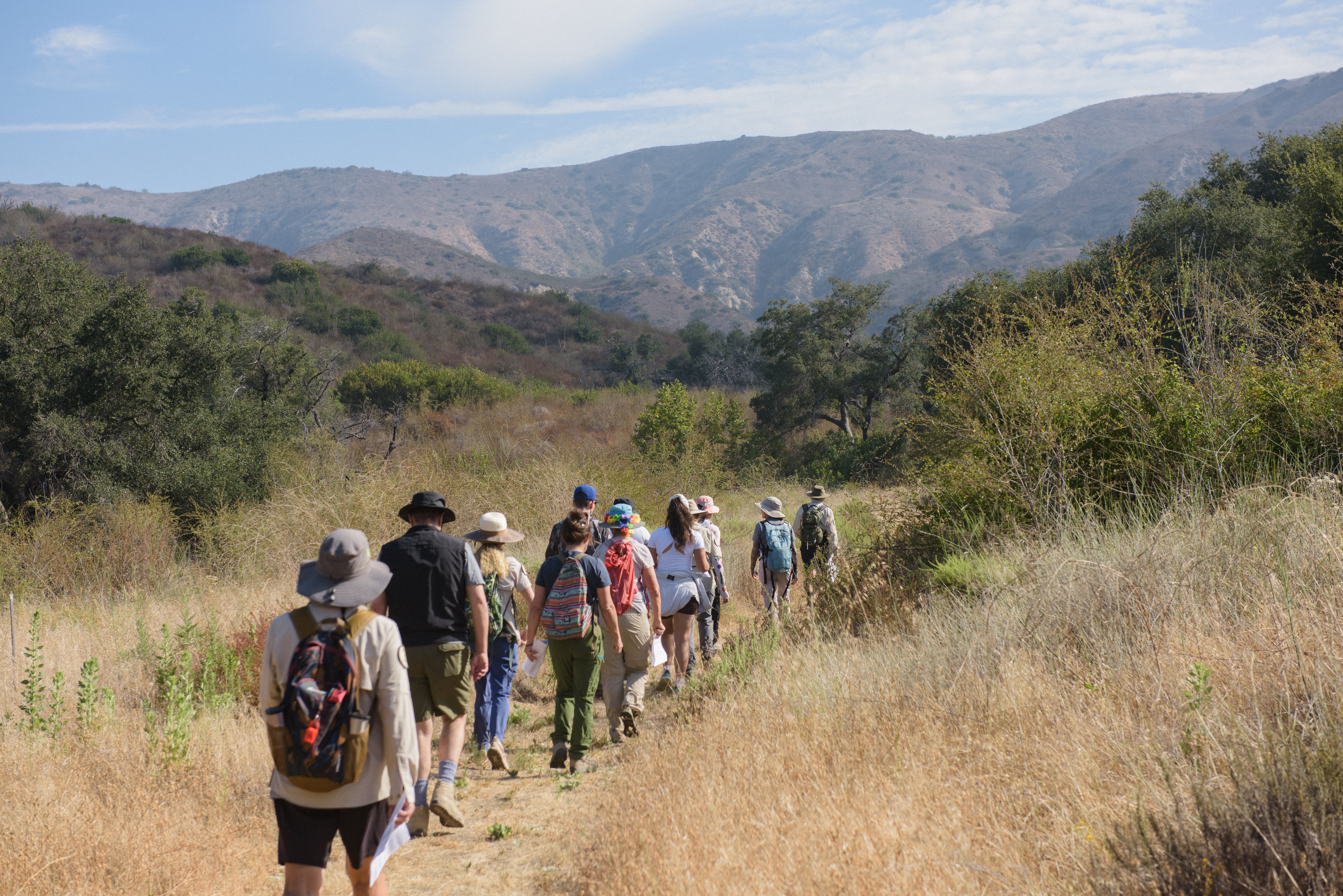
Estivation shows how Southern California wildlife and native plants survive summer heat through clever dormancy strategies that help ecosystems rest, adapt and thrive 🐸☀️ #Estivation #OCWildlands
Wildlife Spotlight: Gray Fox
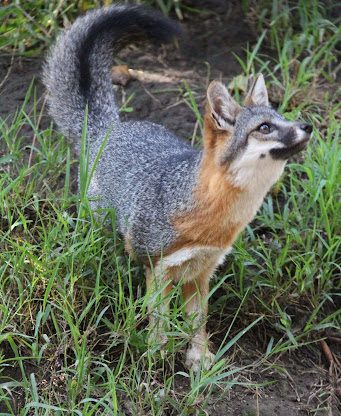
If you have spent time exploring Orange County’s protected open spaces, you have likely kept an eye out for deer, hawks or coyotes. But there are many other residents of our local wildlands that are far more elusive, including the gray fox, a secretive and adaptable mammal that calls the Irvine Ranch Natural Landmarks home.
Although gray foxes are found throughout the region, they are rarely seen. Their ability to blend into the landscape and their preference for being active after dark make them one of Orange County’s most mysterious wildlife species.
The gray fox may look similar to other foxes, but it has several distinctive features. First, its coat is a mix of gray, reddish-brown and white fur, with a bold black stripe running down its tail. These markings help it blend seamlessly into the chaparral, coastal sage scrub and oak woodlands that make up much of Orange County’s landscape.
Second, what truly sets the gray fox apart is a skill uncommon among members of the canine family: it can climb trees. Using its strong, curved claws, the gray fox can scale up trunks and branches to escape predators, rest safely above ground or search for food. This ability makes it one of North America’s most unique wild canids.
Gray foxes, like most foxes, are primarily nocturnal, meaning they are most active during the evening, nighttime and early morning hours. This behavior helps them avoid the heat of the day, reduces encounters with larger predators and is timely for hunting and gathering. As opportunistic omnivores, they eat a wide variety of foods, including rodents, rabbits, insects and other small animals, but they also consume berries, fruits and other plants when available. Their flexible diet allows them to adapt to changing seasonal conditions while playing an important role in the ecosystem. By helping control rodent populations and disperse seeds through the fruits they eat, gray foxes contribute to the health and balance of Southern California’s native habitats.
The continued presence of gray foxes throughout the Irvine Ranch Natural Landmarks highlights the importance of protecting connected open spaces. These conserved lands provide the shelter, food and wildlife corridors necessary for native species to thrive alongside Orange County’s growing communities.
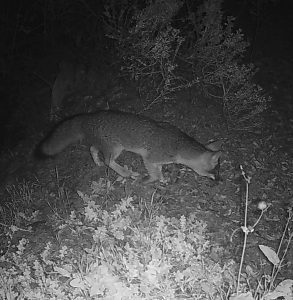
While you are unlikely to encounter a gray fox during a hike, wildlife cameras do capture images of these stealthy animals moving through the landscape under the cover of darkness. Recently, an image of a gray fox was captured on a wildlife monitoring camera in the City of Irvine’s Open Space Preserve. Every sighting serves as a reminder of the remarkable biodiversity that thrives within our protected wildlands and the importance of preserving these natural spaces for generations to come.
Related Posts