
Bats reach their peak activity in summer across the Irvine Ranch Natural Landmarks, providing vital nighttime pest control and signaling a healthy ecosystem as they soar through warm evenings 🦇🌙 #IrvineRanchConservancy #OCWildlife
Plants and Animals That “Hibernate” in the Summer: Nature’s Survival Secret
You don’t usually associate hibernation with summer, but nature has its own warm‑weather version to survive extreme heat and drought instead of snow and freezing temperatures. It is called estivation (or aestivation in British English), hibernation’s lesser‑known cousin.
Just as bears conserve energy through winter, certain frogs, snails and other animals “sleep” through summer by entering a dormant state that helps them preserve water and withstand high temperatures. One of Orange County’s best examples is the Western Spadefoot Toad. After breeding in seasonal vernal pools during winter and spring, adults burrow underground and remain inactive for months until the winter rains return.
The common garden snail, though not native, offers another easily observed example. While you might have thought they were dead, they are definitely not. During hot, dry weather, snails retreat into their shells and seal the opening with a protective mucus layer that locks in moisture until cooler conditions arrive. If you spot this in your garden, it is best to simply leave them be as they are just riding out the heat.
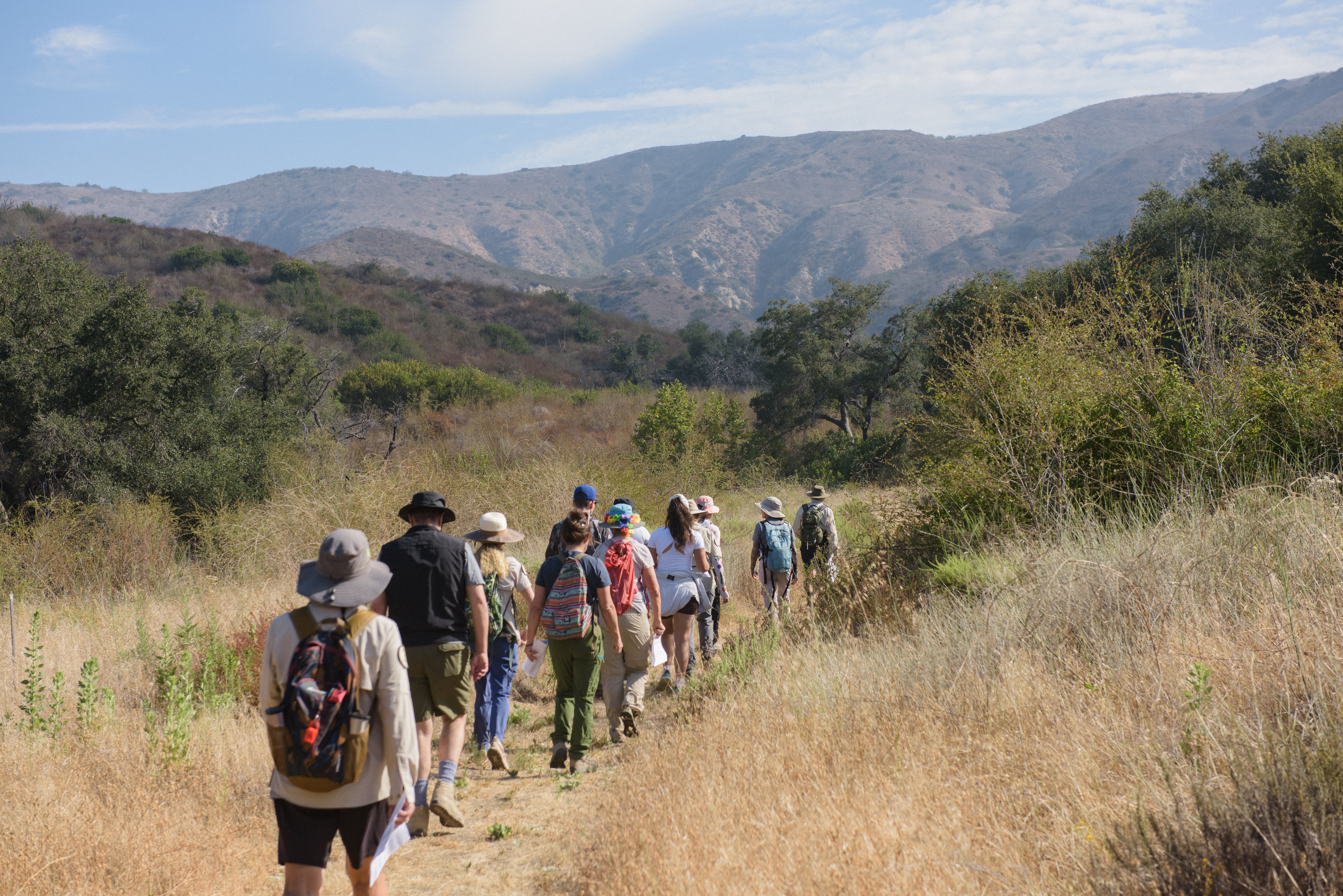
While true estivation is more common in animals, many California native plants have evolved a similar strategy through summer dormancy. What may look like dry or “dead” hillsides in Southern California are actually landscapes taking a seasonal rest. Plants such as California poppies allow their seeds to lie dormant after spring blooms until rain returns. The Mariposa lily stores energy in an underground bulb, disappearing entirely above ground during summer. The California peony, found in Orange County canyons, becomes fully dormant through the dry season and reemerges in winter before flowering in spring.
While some plants appear to die off in summer, others remain vibrant all season long. Iconic species such as California sagebrush, white sage, California buckwheat and coast live oak stay green year‑round thanks to drought‑adapted leaves that conserve water and help them thrive in Southern California’s dry climate, meaning they do not need a summer dormant period.
Beneath the native trees and shrubs of Orange County, an entire ecosystem is actively surviving months of heat and minimal rainfall. Estivation and dormancy are key strategies that allow both wildlife and native plants to endure and thrive in our seasonally dry and hot climate.
Irvine Ranch Conservancy (IRC) welcomes visitors year‑round to experience these seasonal changes firsthand and witness how Southern California’s ecosystems adapt, rest and renew.
Related Posts


