
Communities and organizations are joining forces with IRC to restore butterfly habitats and inspire conservation action across Orange County 🌿🦋 #ButterflyConservation #iNaturalist
Core Principles: Innovation
Irvine Ranch Conservancy’s (IRC) work is grounded in core principles that shape both its approach to land stewardship and its partnerships. Among these principles, innovation stands out as essential. Protecting the long‑term health of Orange County’s wildlands requires more than maintaining established practices; it demands new ideas, adaptive strategies and creative collaboration. The land’s ongoing care depends on innovative thinking.
Innovation is deeply embedded in IRC’s organizational culture as they have fostered creative thinking and an environment that welcomes new ideas. Staff, volunteers, and partners are encouraged to think creatively, challenge assumptions, and explore new solutions. Whether developing new restoration techniques, reimagining wildfire prevention or improving volunteer training, every program area thrives because IRC embraces innovative experimentation. The organization is not afraid to try, learn, adjust and try again, each attempt bringing it closer to the next success.
Many of IRC’s now‑standard practices began as fresh ideas from someone willing to innovate. Below are several examples of IRC’s innovation over the years, ideas that began as experiments and evolved into foundational practices.
Land Management
Rethinking Restoration Metrics
Restoration progress once stalled because agencies required 100% native plant cover, a nearly impossible metric that kept restoration sites small and vulnerable to reinvasion. Many areas were overtaken by nonnative plants within a few years because the restored footprint was too limited to sustain itself.
IRC challenged this approach, proposing functionality‑based metrics instead, focusing on species diversity, reproduction and long‑term ecological health. Federal and state wildlife agencies agreed to revise their criteria, allowing IRC to dramatically expand restoration acreage, resulting in new large-scale restoration sites. Larger restoration areas improve ecological resilience and deliver broader environmental benefits.
Native Seed Farm & Collaborations
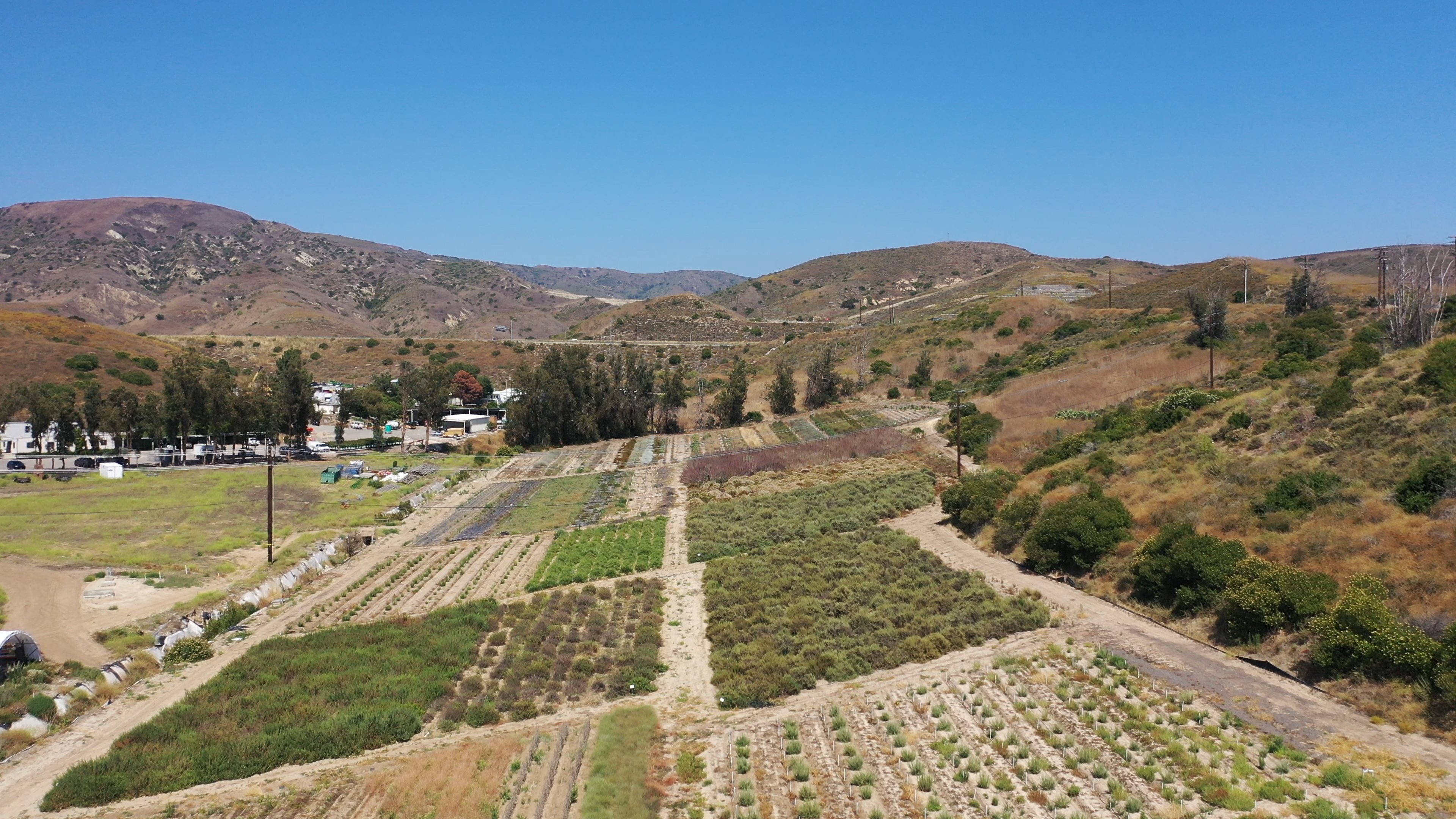
This shift to large-scale restoration projects revealed a new challenge: Orange County lacked enough native plant material to support large‑scale projects. IRC responded with out‑of‑the‑box thinking, creating the Native Seed Farm, a first‑of‑its‑kind program dedicated to growing native species for restoration.
Rather than guessing, IRC partnered with Orange County Produce to learn agricultural techniques for native plants. After early success, IRC needed a permanent site. Following the Santiago Fire in 2007, IRC got approval to use a burned avocado orchard for the Native Seed Farm. The Orange County Fire Authority partnered with IRC to clear the land during one of their bulldozer training sessions, creating the space needed to launch the farm.
From initial concept to land preparation, every step relied on innovative thinking, collaboration and process adaptation. The farm’s success has since become a model for other organizations, with IRC openly sharing techniques for the broader success of open space and wildlands throughout Southern California.
Adaptive Management Approach
Every restoration project follows an adaptive management approach, never a one-size-fits-all approach. Techniques evolve based on what works. For example, the butterfly enhancement plots shifted plant selections over time as certain species proved more successful. IRC also tested hillside strip seeding to prove whether partial seeding could allow habitats to spread naturally. It worked, reducing labor, cost and seed needs while strengthening ecological resilience. These adaptive strategies remain central to IRC’s land stewardship philosophy today.
Multi‑Lock Access System
Managing land across multiple ownerships created long‑standing access challenges. IRC developed a custom multi‑lock system that allows up to 20 locks on a single gate, enabling firefighters, landowners, land managers and partner agencies to use their own keys without locking anyone out. The system became so effective that other organizations adopted it, replacing older, problematic access methods. While it seems small, this is a significant example of how IRC adapted its approaches to better improve the outcome.
Technology Advances
AI‑Driven Monitoring
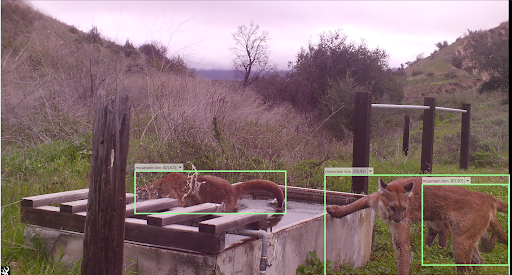
IRC embraces emerging technology to improve land management. As one of Orange County’s leading organizations using AI for ecological monitoring, IRC collaborates with partners like SensoRY AI to explore new applications, including early wildfire detection. For years, SensoRY AI has tested its program on IRC‑managed land, offering innovative ways to identify early ignitions and stop catastrophic wildfires before they cause extensive damage.
IRC also manages hundreds of wildlife cameras that generate millions of images. To make monitoring more efficient, IRC helped develop an AI model with Loyola Marymount University master’s students capable of identifying wildlife activity across the land, saving staff countless hours of manual review and improving understanding of wildland conditions.
Public Data and Dashboards
IRC uses technology to strengthen transparency and community engagement. Tools like the Bird Monitoring Dashboard make long‑term wildlife data publicly accessible, encouraging research and deepening public understanding of local ecosystems.
IRC also uses iNaturalist, a global platform that supports learning, monitoring and scientific research. Data collected through the app contributes to conservation efforts and helps organizations, including IRC, track ecological changes across the wildlands.
Community & Volunteer Innovation
Unified Volunteer Engagement
Volunteer engagement is central to IRC’s success, and retaining volunteers requires smooth, accessible processes. Historically, volunteers needed separate orientations for each landowner’s property. IRC worked with multiple government agencies to unify requirements, allowing volunteers to complete one orientation and serve anywhere across the land. This innovation transformed volunteer management, creating a flexible, efficient system that supports 25,000 acres with a trained, empowered volunteer “army.” Volunteers are treated as ambassadors, given leadership opportunities and equipped with tools to succeed. IRC’s volunteer program has become so effective that other organizations now seek volunteer management services or training from IRC.
Fire Watch & Predictive Prevention
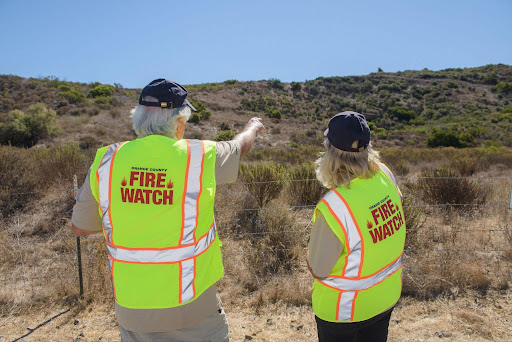
Born during a wildfire, Orange County Fire Watch became a pioneering program focused on preventing emergencies rather than responding to them. Using volunteer power, fire authority data and historical patterns, IRC learned to position volunteers in high‑risk areas before fires start to prevent any ignitions and push alerts immediately when flames appear. Nearly 20 years later, Orange County Fire Watch remains a cornerstone of community‑based wildfire prevention, led by IRC in partnership with numerous agencies.
The future of Orange County’s wildlands depends on innovation. While IRC’s work is grounded in science, the organization continually embraces new approaches to protect and restore natural resources and ecological function. Their belief remains simple and powerful: “There is always a fresh approach we can explore.”
Related Posts


