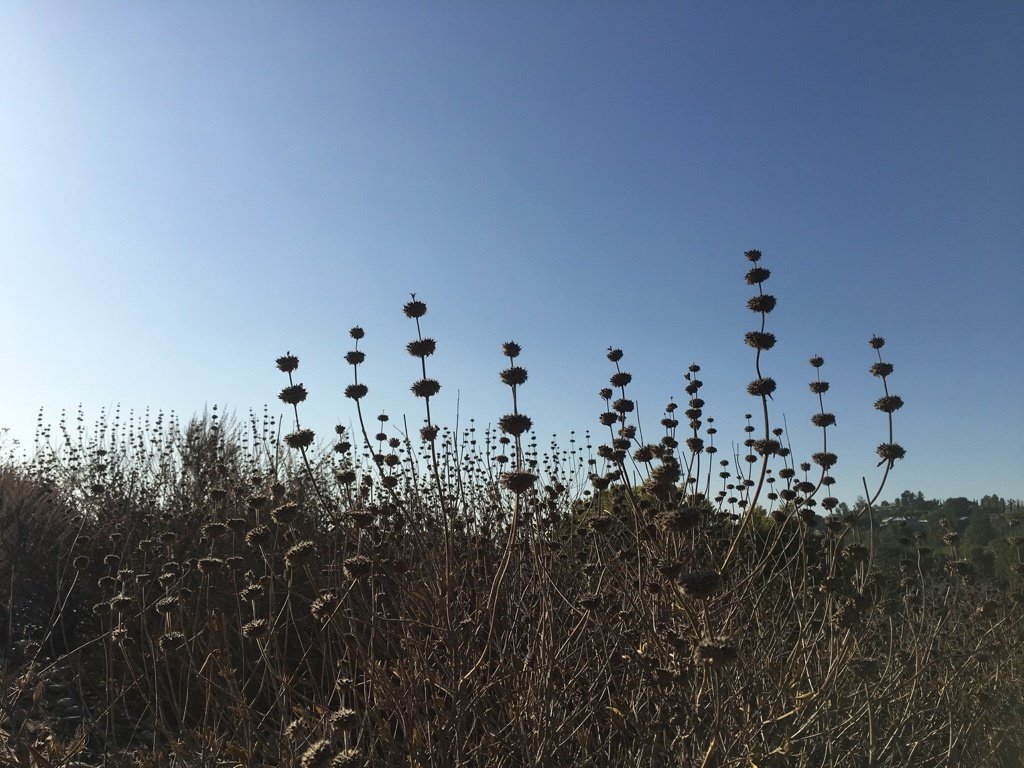
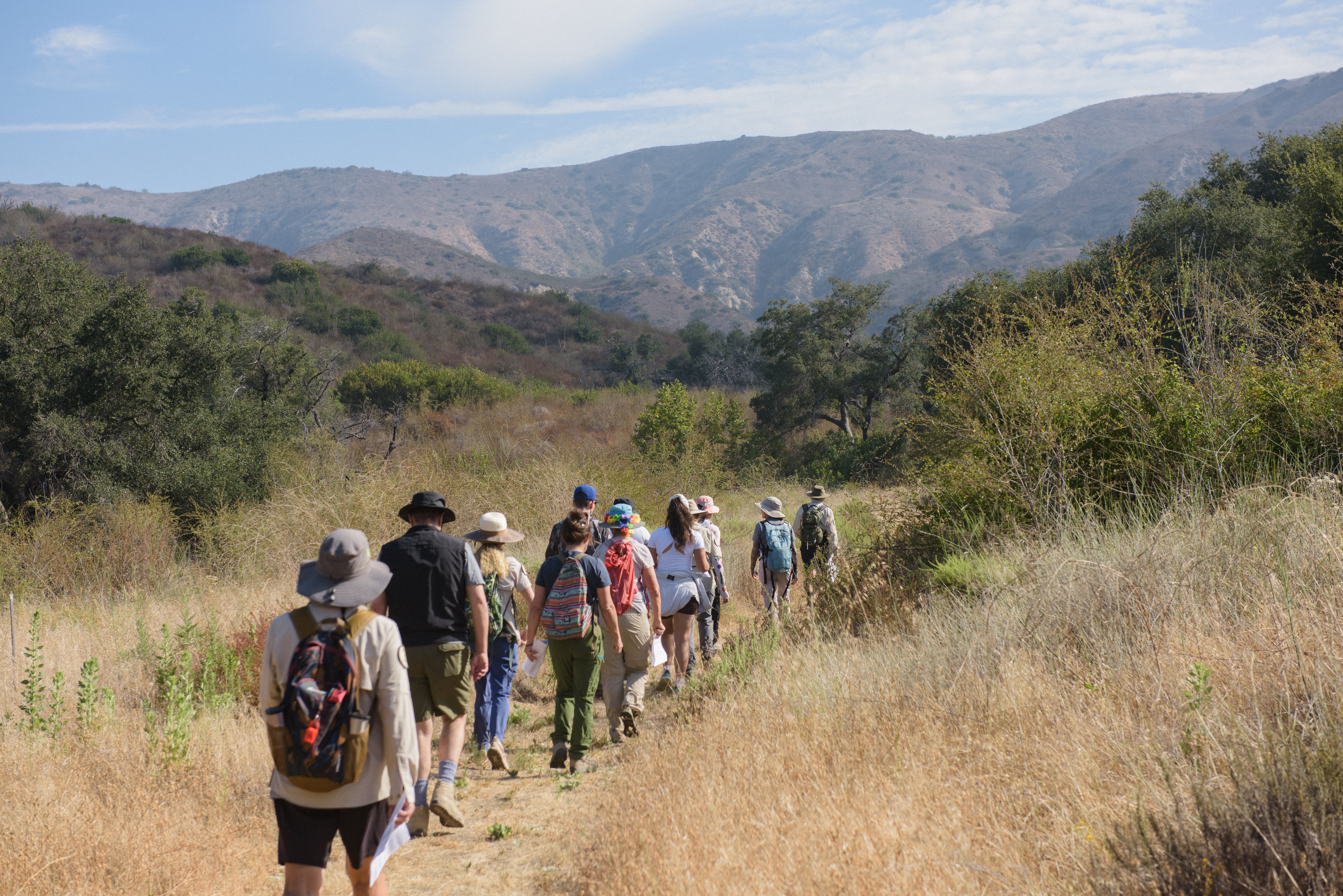
Discover how Black Sage supports Southern California’s coastal sage scrub habitats through drought‑tolerant traits, vital pollinator resources and ongoing restoration efforts that keep this native species thriving for generations. 🌿💙 #BlackSage #NativePlants
Nature’s Fireworks: How Seeds Disperse from Explosions, Pops and More

While human-made explosive firework displays during celebrations like the Fourth of July are fun, nature has its own captivating spectacle to catch year-round. Similar to fireworks, seeds utilize a variety of mechanisms – from explosions, pops and more – to disperse throughout the area. Take a moment to appreciate the explosive strategies of seed dispersal.
Explosions and Pops – Nature’s Pyrotechnics
Some plants have evolved ingenious techniques for dispersing seeds explosively. These explosive mechanisms often rely on the build-up of internal pressure or tension within the seed pods. Once this tension reaches a critical point, the plant “explodes,” flinging its seeds outward in a sudden release that mimics a firework bursting in the sky. This process helps the seed spread across a wider area, increasing its chances of survival.
The iconic California poppy (Eschscholzia californica) is a prime example of this type of plant, dispersing its seeds as the capsule’s internal pressure builds up during drying. When the capsule reaches a certain point of dryness, it splits open, ejecting the seeds, which can sometimes travel several feet away from the parent plant. You can even hear the “pop” sound if you place mature poppy seeds in a paper bag. Additionally, the native plant lupine (Lupinus albifrons) also uses explosive mechanisms. Their seed pods also dry out and build up pressure until they burst open, flinging seeds outward. The force of one pod opening can sometimes trigger nearby pods to open as well, creating a domino effect of explosions.
Many non-native plants also employ this technique for seed dispersal, allowing them to spread far and wide while being difficult to manage. The castor bean (Ricinus communis) has seed pods that explode, shooting the seeds out an average of 20 feet. These seeds are heavy and need the explosion to disperse them further away to expand their range. Similarly, the invasive wild cucumber (Marah macrocarpus) seeds are the size of peanut M&M’s and need to be “thrown” to new territory through this explosive technique. This makes their spread difficult to control once established.
Wind Wanderers and Hitchhikers – Seeds on the Move
In contrast to the explosive approach, many seeds rely on other ways to disperse to new areas. Many seeds are designed to ride the wind, featuring delicate and feathery structures that act as parachutes, such as those of the California Aster (Aster chilensis) and Coyote Bush (Baccharis pilularis). Meanwhile, some seeds are designed with hooks, barbs or sticky-like structures that cling onto fur or clothing so they can hitch a ride with animals or humans to disperse their seeds across the native wildlands. Another unorthodox strategy employed by seeds is to entice animals to eat them, allowing them to hitch a ride to a new location. Once consumed, the seeds can survive the passage through the animal’s digestive system to be deposited in their next location, complete with the natural fertilizer found in scat. Buckwheat (Eriogonum fasciculatum), white (Salvia apiana) and black sage (Salvia mellifera) and toyon (Heteromeles arbutifolia) all use this form of dispersal.
While learning about the natural “fireworks” of seed dispersal, remember the crucial role that these mechanisms play in maintaining healthy native wildlands. Throughout the years, plants have adapted in remarkable ways to ensure their survival. So, the next time you witness a plant dispersing its seeds through explosions, pops or other ingenious methods of transport, take a moment to appreciate nature!
Related Posts