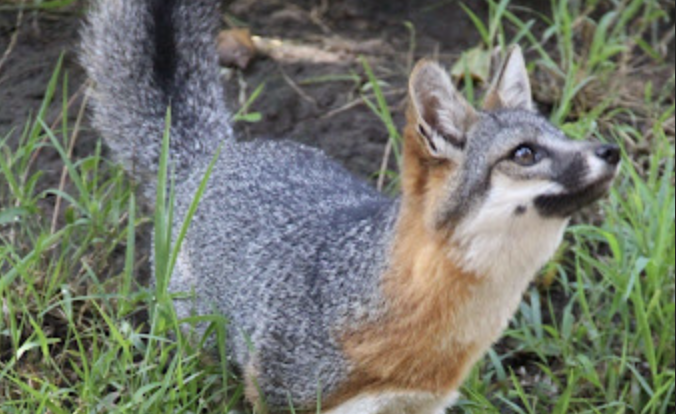
Discover the secretive gray fox, one of Orange County's most elusive wildlife species, and learn how this tree-climbing canid thrives throughout the Irvine Ranch Natural Landmarks. 🦊🌙 #WildlifeSpotlight #IrvineRanchConservancy
Wildlife Spotlight: Coastal California Gnatcatcher
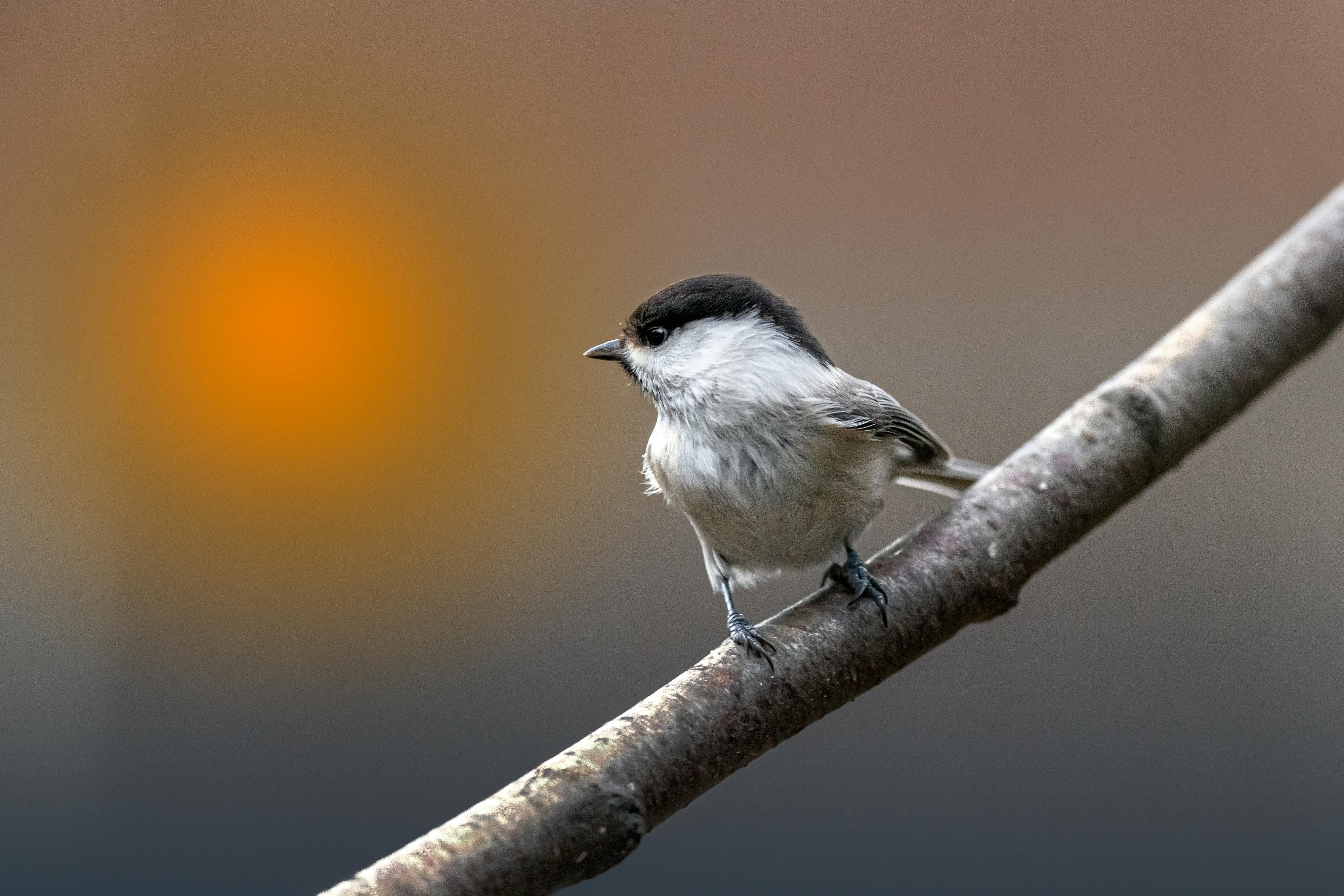
Although you may have spotted them on the land, coastal California Gnatcatchers (Polioptila californica) are far from common. While still present in pockets across coastal Southern California, including Orange County and San Diego, populations have declined significantly over the past several decades. With the species federally listed as Threatened and designated a Bird Species of Special Concern by the State of California, organizations like Irvine Ranch Conservancy (IRC) are doing what they can to help save this special species.
Coastal California gnatcatchers are best recognized by their distinctive calls. Often hidden deep in the brush, they are more likely to be heard than seen. To hear them, listen for their soft, kitten‑like “mew,” as people describe them sounding more like a cat than a bird. When trying to see them, look for a small, dusky gray bird. Males can be identified by their black “cap.”
These tiny birds live almost exclusively in coastal sage scrub habitats stretching from Southern California into Baja California, Mexico. As much of this landscape has been developed, the gnatcatcher faces critical habitat loss and fragmentation. Because of this, the species has been a focal point in regional conservation planning. Portions of its habitat have been preserved on public conservation lands, such as those managed by IRC, and organizations like IRC are helping protect and restore the remaining habitat. In addition, ongoing efforts to protect additional open space aim to give the gnatcatcher a better chance at long‑term recovery.
Feeding on small insects and spiders, gnatcatchers play a helpful role in keeping local bug populations in check, making them great neighbors. But as non‑migratory birds, they can also be surprisingly territorial of their homes. Pairs will defend their territories, especially during breeding season, sometimes taking on predators several times their size, including California Scrub‑Jays, Cactus Wrens and even Greater Roadrunners.
Small but mighty, threatening and threatened, the coastal California gnatcatcher is a noteworthy species underscoring the importance of protecting Southern California’s remaining wildlands.
Related Posts