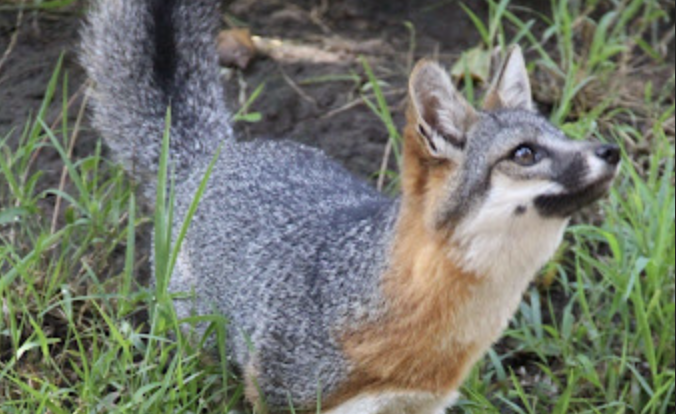
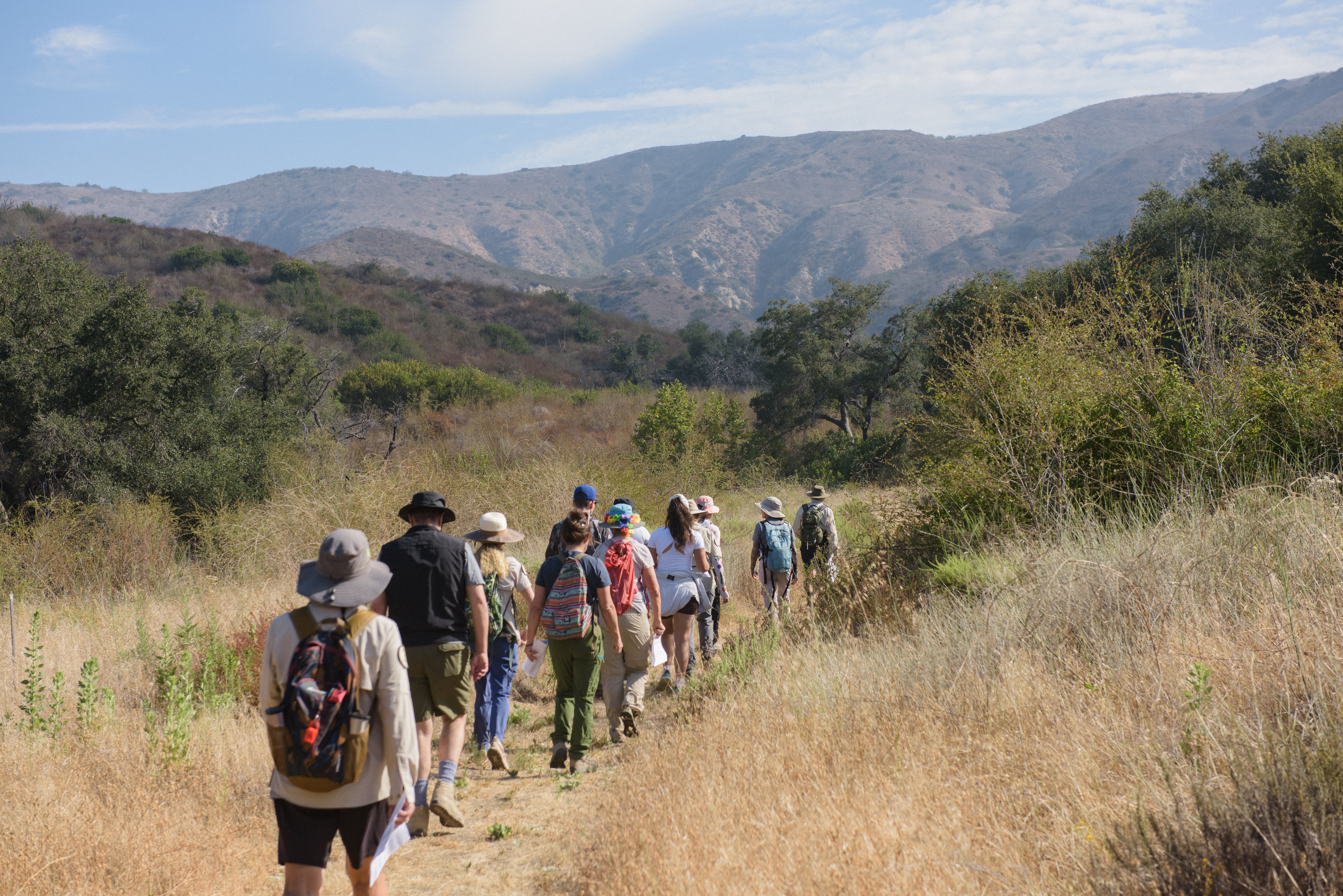
Discover the secretive gray fox, one of Orange County's most elusive wildlife species, and learn how this tree-climbing canid thrives throughout the Irvine Ranch Natural Landmarks. 🦊🌙 #WildlifeSpotlight #IrvineRanchConservancy
Spadefoot Toad Update: Donation Drive Success and Promising Pond Activity

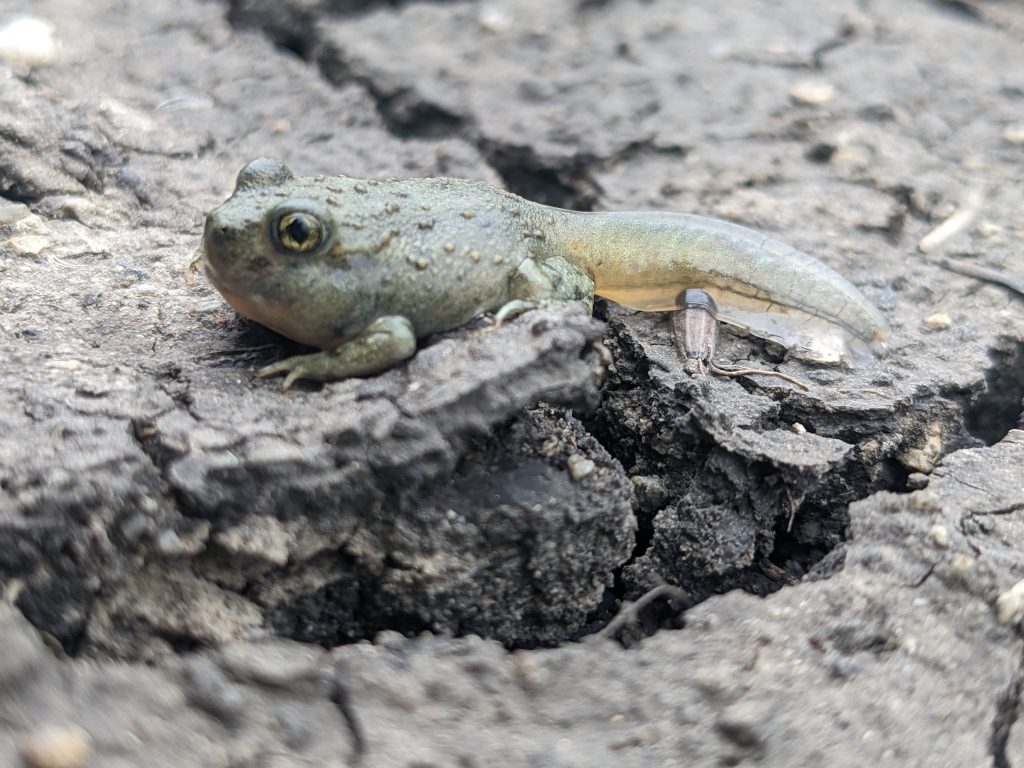
Irvine Ranch Conservancy (IRC) has spent years monitoring and supporting the threatened Western Spadefoot Toad across the Irvine Ranch Natural Landmarks. With up to 80% of their native habitat lost to urbanization, every successful breeding season matters. From habitat restoration projects to restore their native environments to pond refurbishment to ensure they can reproduce, IRC is doing what they can to help ensure the success of this species, and thanks to a recent donation drive that raised $16,000, IRC is expanding these efforts in and around breeding ponds.
Despite the pressures they face, the local spadefoot population has shown resilience, and IRC’s ongoing restoration work is giving them a fighting chance. With a little more rain, this year’s breeding season could be another step forward for the species.
The toads are most active during the wet season, typically from October to May, because they are “explosive breeders,” emerging from underground burrows to breed and forage immediately after heavy rains. This means IRC staff and volunteers are now surveying the ponds weekly. They use visual surveys to look for egg masses, tadpoles, and signs of metamorphs that are ready to leave the water. They also take depth and length measurements of the pools to see how well they are retaining water over time. The team hopes to utilize this data to explore how varying rainfall amounts affect the breeding season in the coming years, among other questions. For example, the team is interested in learning how the population is affected by the size and depth of the pools, the length of time the pools are able to retain water, the availability of food resources and the surrounding habitat quality.
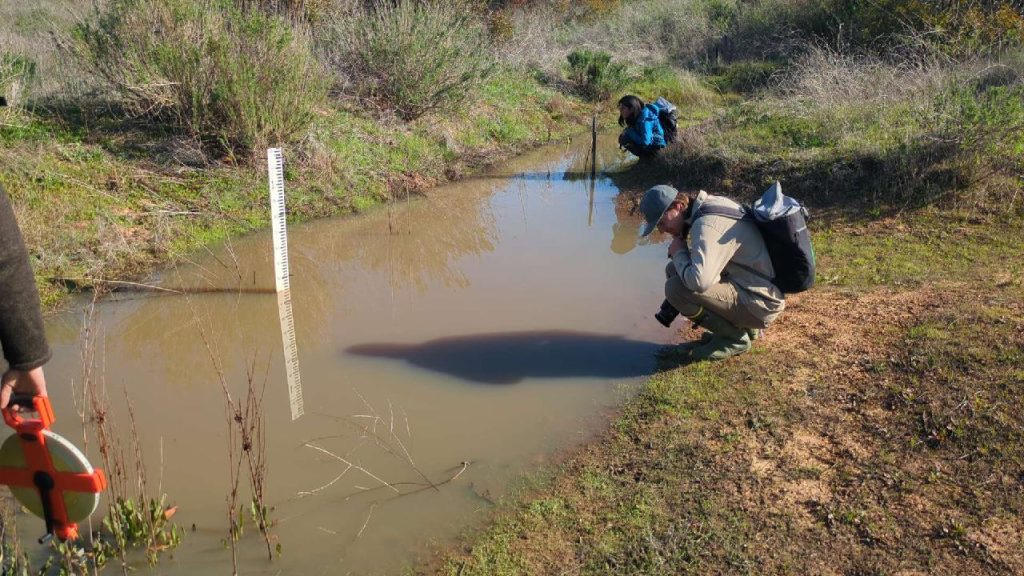
Recent winter rains are giving the toads and other amphibians a chance to lay new egg masses while extending the window for previously laid egg masses to mature into adulthood. Early signs are encouraging at the Irvine Mesa ponds, which are holding water well and showing strong tadpole activity. Conditions at the Shoestring ponds are more challenging but the team is hopeful that the recent additional rainfall will lead to more success.
Funding acquired through recent donation drives will allow IRC to continue installing pond liners and clay to improve water retention in some of the less successful ponds. These strategies have already proven effective in past seasons at different locations. At the same time, the Habitat Restoration and Enhancement team will be utilizing funds from the donation drive to restore the habitat surrounding the ponds, removing non‑native weeds and planting native coastal sage scrub plant species. These efforts will hopefully improve movement and travel opportunities between ponds and the surrounding hillsides where the toads spend the dry months.
Monitoring and supporting the threatened Western Spadefoot Toad populations in Orange County is a continuous effort and IRC is excited to see improvements in the coming years!
Related Posts