
Celebrate National Trails Day, June 6, by exploring beginner‑friendly hikes across Orange County’s wildlands that make it easy for new hikers to feel confident and inspired outdoors. #NationalTrailsDay #LetsGoOutside 🌿🥾
Heat Advisory: What to Do on the Land During High Heat Days
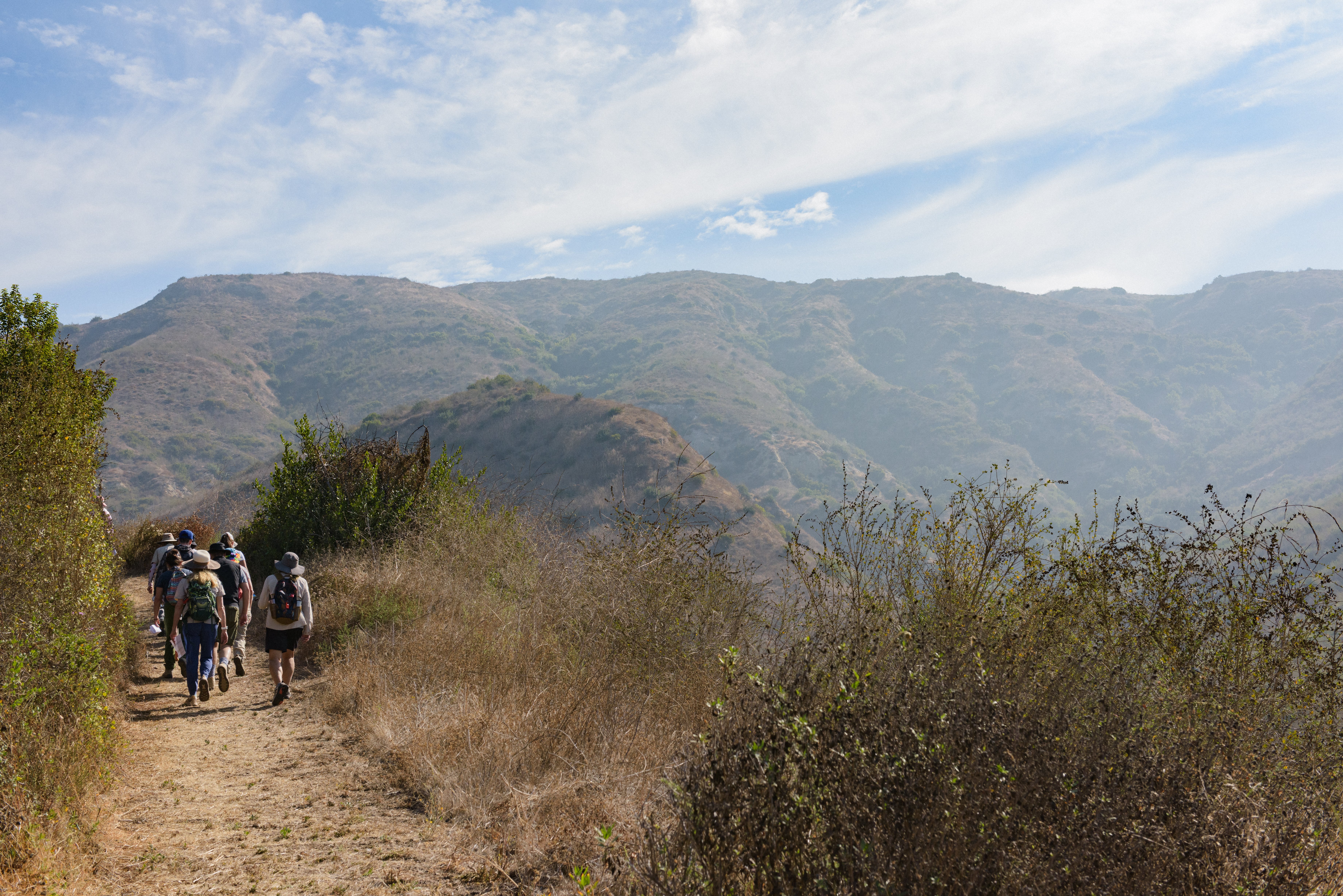
When temperatures climb and heat advisories are in effect, it is important to adjust how – and when – you explore the local wildlands. Extreme heat can impact both visitor safety and the health of the land, so a few mindful choices go a long way in keeping your experience enjoyable, safe and responsible.
1. Choose Cooler Hours
During a heat advisory, the safest time to be outdoors is early in the morning or near dusk, when temperatures are lower and the sun’s intensity has eased. These cooler windows help reduce the risk of heat‑related illness and make wildlife viewing more comfortable.
2. Choose Your Location Wisely
Not all parks experience heat the same way. Inland areas, such as OC Parks’ Limestone Canyon Nature Preserve, tend to run significantly hotter during the day, while coastal locations like Crystal Cove State Park benefit from cooler marine temperatures. When a heat advisory is in effect, choosing a coastal or shaded destination can make your time outdoors far more comfortable. Planning where you recreate is just as important as planning when you go.
3. Pack Plenty of Water
Hydration is essential. Bring more water than you think you will need. The recommended amount is at least one liter per hour of activity. Electrolytes can also help your body stay balanced in high heat. Running out of water is one of the most common causes of heat exhaustion on the land.
4. Wear Protective Clothing
Lightweight, breathable layers, a wide‑brimmed hat and sunscreen help protect you from direct sun exposure. Clothing that covers your skin can also reduce dehydration and keep your core temperature lower. Being prepared with the right gear is just as important when going outside.
5. Know the Signs of Heat Exhaustion
Heat exhaustion can develop quickly. Be mindful of symptoms such as dizziness, headache, nausea, heavy sweating or confusion. If you or someone in your group begins to feel unwell, stop immediately, find shade, hydrate and cool down. When in doubt, head back to the trailhead.
6. Stay Aware of Wildlife
Hot weather often increases snake activity, especially in the early morning and late afternoon. Stay on designated trails, watch where you step and give wildlife plenty of space. Snakes play an important role in the ecosystem, so when we are entering their home, we need to be respectful. Observing them safely as they pass helps protect both you and the land.
High temperatures not only place significant strain on people, but also on the native plants and wildlife. Extreme heat can cause plants to lose moisture more quickly, making them more vulnerable to breakage, trampling and long‑term stress. Wildlife also seeks cooler, sheltered areas during hot periods, so reducing activity, especially off‑trail, helps minimize disturbance while animals conserve energy and avoid overheating.
By avoiding activity during peak heat, you are protecting yourself and protecting the land by giving it the space it needs to recover. A mindful approach to recreation helps protect these sensitive ecosystems!
Related Posts


