
Celebrating science, stewardship and Indigenous leadership, IRC’s partnership with WUICAN strengthens climate resilience across Southern California’s wildland‑urban interface. #ClimateAction #IndigenousStewardship 🌎🔥
20th Anniversary Program Spotlight: Invasive Species Control

There are tens of thousands of acres of rare and diverse plant and animal communities in Southern California’s wildlands. Recognizing the critical need to protect, restore and enhance these open spaces, Irvine Ranch Conservancy (IRC) was founded 20 years ago. Within the past two decades, invasive plants, animals and insects have been among the most critical threats to the habitats IRC cares for, putting IRC’s mission to protect at the forefront of the organization.
Invasive species pose a threat by competing with native plants and wildlife for essential nutrients, space and light, thus endangering the natural diversity of the landscape. The Invasive Species Control team at IRC monitors and controls invasive species populations to prevent them from overtaking the wildlands and degrading the natural habitat.
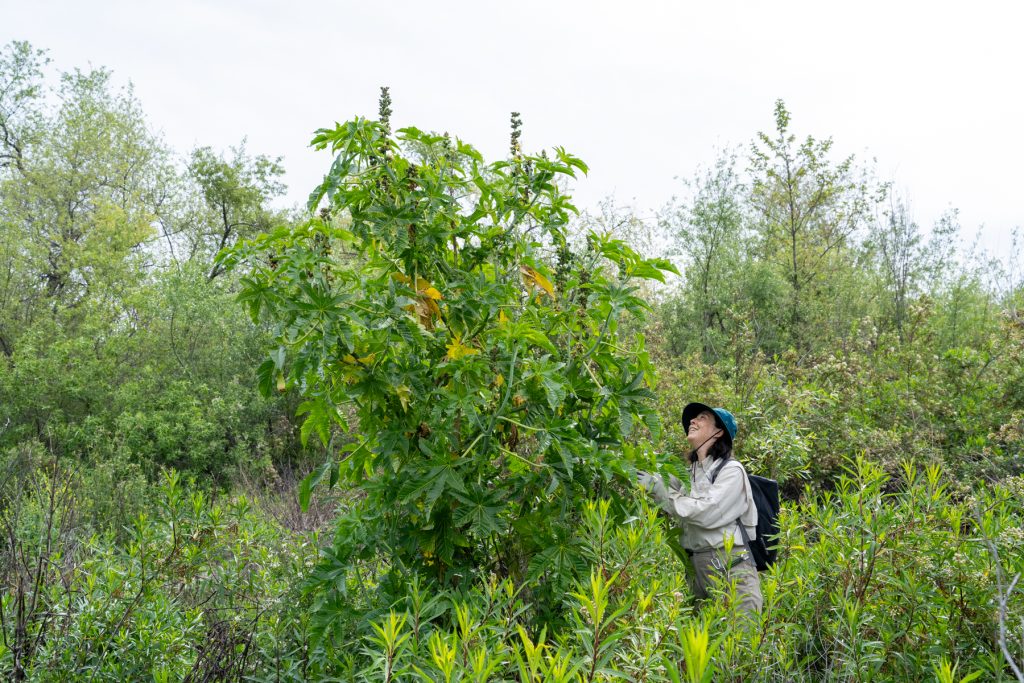
Recognizing the need for adaptable methods, IRC uses various tools to address the issue, tailoring its approach to each unique situation. The concentrated efforts of the Invasive Species Control team have led to a decrease in Saharan mustard on Loma Ridge and the reduction of problematic species such as Spanish broom, tree tobacco, castor bean, and perennial pepperweed from Santiago Creek. In addition, IRC has detected the recent arrival of stinkwort in Silverado and Santiago Creek. Since it was found it early, they have quickly put their resources there to remove and monitor that population and have already seen a reduction in the last two years, proving how an “Early Detection, Rapid Response” (EDDR) approach can be a crucial aspect of their work in protecting and restoring ecological health.
While IRC’s work predominantly focuses on invasive plants, the program goes beyond just weeds. One of their biggest accomplishments has been reducing the population of the invasive insect, the Goldspotted Oak Borer (GSOB). IRC began managing an infestation of GSOB back in 2014, and through early detection, tree removals, insecticide treatments and continued monitoring of infested trees, the team was able to successfully control the population. This part of the program has grown over the past decade. Through their expertise in managing GSOB populations, IRC has emerged as a leader in this field. Within the last few years, IRC has begun providing guidance to other land managers and participating in regional tree pest groups to share knowledge and best practices. Since IRC has been dealing with GSOB and invasive shot hole borer insects for the last 10 years, sharing information with neighboring organizations can benefit the overall wildlands of Southern California.
“It’s important to note that a lot of the work we do is on longer timelines, like the success we have seen with the GSOB,” said Isaac Ostmann, Invasive Species Control Program Manager for IRC. “Sometimes it takes 10-20 years to see the results of our work. That is why it’s great to be a part of a long-standing organization like IRC, I know our team will continue to build on our progress year over year. I think that consistency will have a real impact on the land.”
IRC works collaboratively with volunteers and regional partners to remove harmful plants, wildlife and other organisms, recognizing the crucial role of community engagement in protecting and enhancing native habitats. Since IRC credits much of its success within the program to the support of the volunteers and the workforce needed for large-scale monitoring, it aims to expand its volunteer efforts in the future. This will only benefit the active management and prevention efforts for the overall health of Southern California’s wildlands.
Stay tuned this year for more ways to help celebrate 20 years of stewardship with IRC!
Related Posts


