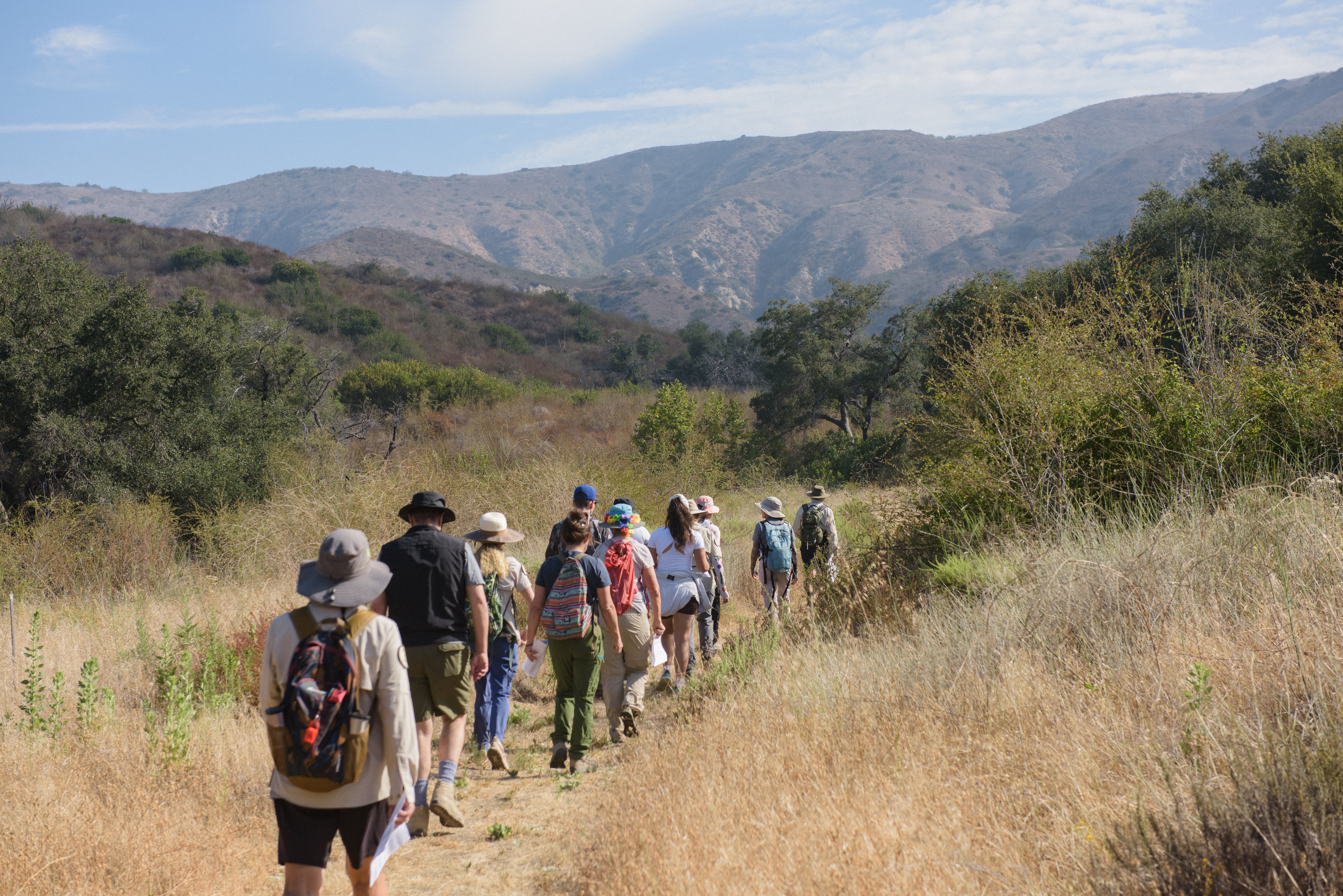
Estivation shows how Southern California wildlife and native plants survive summer heat through clever dormancy strategies that help ecosystems rest, adapt and thrive 🐸☀️ #Estivation #OCWildlands
Wildlife Spotlight: Red-Tailed Hawk

As raptor monitoring season begins for Irvine Ranch Conservancy (IRC) which includes Southern California’s Red-tailed Hawk, it’s the perfect time to celebrate one of North America’s most iconic birds of prey. Within the Irvine Ranch Natural Landmarks, Red-tailed Hawks are often spotted soaring overhead in their natural habitat, offering a glimpse into their role in the local ecosystem.
Red-tailed Hawks are among the most common hawks across the continent, spending summers in Canada and the Northern United States while remaining year-round residents from Central Mexico to the West Indies, including California. If you’ve got sharp eyes, you could spot several on a long car ride or hike, soaring above open fields or perched atop telephone poles scanning the ground for their next meal. Red-tailed Hawks can sometimes be seen hunting together, strategically guarding different sides of a tree to catch prey.
Despite being one of the largest birds in North America, Red-tailed Hawks are surprisingly lightweight. Females typically weigh only about three pounds, about 25% heavier than males. A similar-sized small dog might weigh 10 times that! Despite their size, their flying speed ranges from 20 to 40 miles per hour. With a lifespan of over 30 years, these hawks remain one of the most adaptable and enduring species in North America.
Keep an eye out for these fascinating birds and their impressive courtship displays. They breed throughout California in areas without heavy snow cover. The male Red-tailed Hawk dives steeply, then climbs back up at an equally steep angle. After several swoops, he approaches the female. Occasionally, a pair of Red-tailed Hawks will lock talons and spiral toward the ground before pulling apart. After mating, both male and female hawks will help build the nest in tall trees or on cliff ledges. The natural wildlands of the Landmarks are the ideal spot for our local raptors to create a home for their young.
IRC volunteers help monitor raptors to track their populations, gain insights into their overall well-being and identify sensitive nesting areas. This crucial work helps adjust public activities to protect the birds and ensure their long-term health. Volunteering with IRC is a great way to connect with nature, contribute to vital conservation efforts and gain hands-on experience in wildlife monitoring. If you’re ready to help, click here to learn more and sign up!
Take a moment on your next adventure to see if you can spot a Red-tailed hawk!
Related Posts