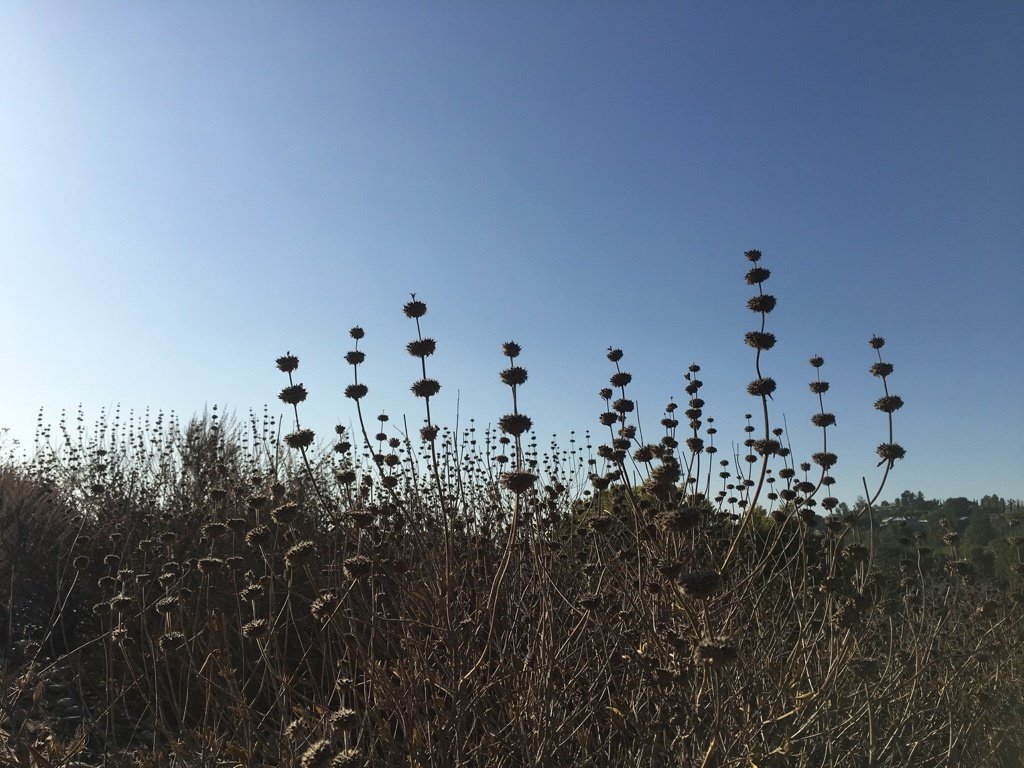
Discover how Black Sage supports Southern California’s coastal sage scrub habitats through drought‑tolerant traits, vital pollinator resources and ongoing restoration efforts that keep this native species thriving for generations. 🌿💙 #BlackSage #NativePlants
Plant Profile: Purple Owl Clover

Purple owl clover (Castilleja exserta) is an annual herb known for its vibrant purple flowers that you might have seen on the Irvine Ranch Natural Landmarks. It is native to California and can also be found in other parts of the Southwestern United States, including Arizona and New Mexico. Although this plant is a beautiful and beneficial species to our native wildlands, it is categorized as a parasite.
Hidden beneath the surface of its attractive blooms is a distinctive trait. Like other related Castilleja plants, this species is a partial root parasite (hemiparasite), drawing most of its nutrients directly from the roots of other plants by penetrating the tissues of its host’s roots. While it is capable of photosynthesis, it predominantly absorbs nutrients and water from other plants, resulting in its leaves being smaller than average native species.
Due to this characteristic, purple owl clover is typically planted or grown from seed alongside perennial species from its natural plant community to serve as the host plant, such as a native grass found in coastal sage scrub, foothill woodland, chaparral and valley grassland habitats.
 Purple owl clover found on the Irvine Ranch Natural Landmarks.
Blooming from March to May, the purple owl clover is distinguished by its feathery pink-purple or lavender flower clusters that resemble clover (despite not being related). The small, upright leaves usually have a similar color at the tips, giving the flower cluster the appearance of a paintbrush. The plant can reach heights of up to 2 feet and widths of one foot.
Its flowers attract bees and butterflies, making it a crucial host plant for about 12 different butterfly and moth species. This is especially beneficial for the Bay Checkerspot butterfly, a threatened species in California.
So as spring approaches, keep an eye out for beautiful purple owl clover on the Landmarks, and remember to appreciate what lies hidden beneath the surface!
Related Posts